Exploring Different Kinds Of Emulsifiers and Their Applications Across Industries
Emulsifiers play a necessary function in various markets, making sure products preserve their preferred texture and stability. You could be surprised to uncover the distinctions between all-natural and synthetic emulsifiers, each bringing special advantages to the table.
What Are Emulsifiers?
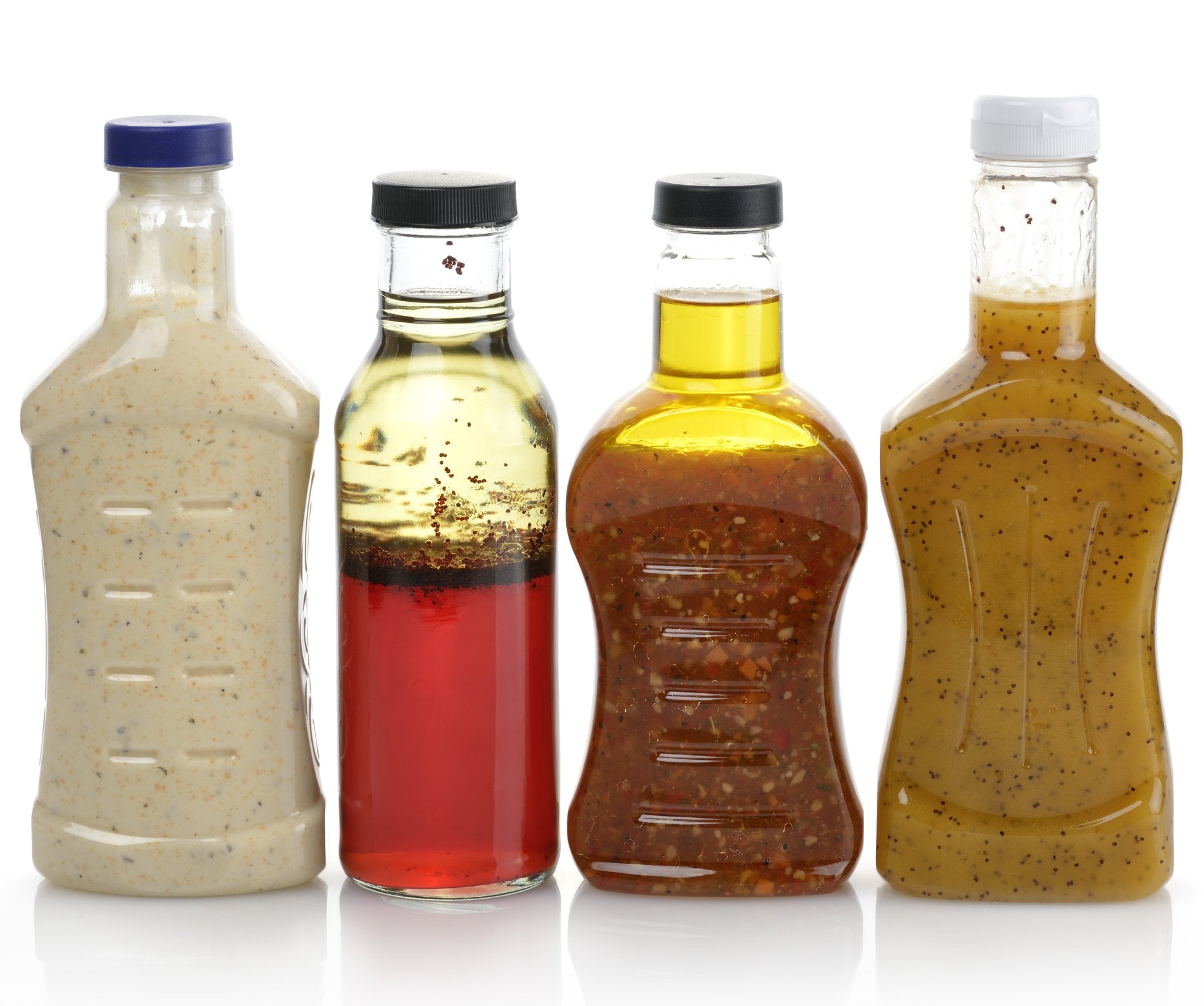
Emulsifiers are essential compounds that assist mix two immiscible liquids, like oil and water, creating a secure mix. These compounds lower the surface stress in between the liquids, enabling them to blend a lot more effectively. You commonly encounter emulsifiers in day-to-day items, from salad dressings to lotions. When you work up a velvety vinaigrette, for example, these agents keep the oil and vinegar from dividing, making certain a smooth texture.
In food manufacturing, emulsifiers enhance the mouthfeel and security of items, making them a lot more enjoyable. In general, comprehending emulsifiers can aid you value the scientific research behind the products you utilize daily, showcasing their value in various markets.
Sorts of Emulsifiers: Natural vs. Synthetic
When thinking about emulsifiers, it's vital to acknowledge the difference between natural and synthetic options. All-natural emulsifiers, stemmed from plant or animal sources, frequently appeal to those seeking much healthier, more eco-friendly products. Instances consist of lecithin from soybeans and beeswax, which can offer stability in food and cosmetic formulas.

Choosing between all-natural and synthetic emulsifiers comes down to your specific requirements. If you focus on tidy labels and sustainability, all-natural options may be your best option. Nonetheless, if performance and consistency are your goals, you could lean in the direction of synthetic emulsifiers. Inevitably, comprehending your requirements will certainly aid you choose the best emulsifier for your task.
Mechanisms of Activity: Exactly How Emulsifiers Job
Understanding the distinctions in between all-natural and synthetic emulsifiers establishes the stage for discovering how these compounds feature. Emulsifiers work by minimizing the surface area stress in between two immiscible fluids, like oil and water. They possess a hydrophilic (water-attracting) head and a hydrophobic (water-repelling) tail, enabling them to connect with both stages. When you mix oil and water, emulsifiers place themselves at the user interface, stabilizing the mixture.
As you stir, the emulsifiers develop a barrier around oil beads, avoiding them from integrating. By comprehending these devices, you can much better appreciate the essential function emulsifiers play in different applications, from cosmetics to pharmaceuticals, guaranteeing the preferred appearance and security in items you make use of every day.
Emulsifiers in the Food Market
In the food industry, around 80% of refined foods consist of emulsifiers, highlighting their necessary function in enhancing appearance and stability. These ingredients aid blend oil and water, developing smooth, consistent products like salad dressings, sauces, and ice lotion. When you get a jar of mayo or a bottle of delicious chocolate syrup, you're experiencing the magic of emulsifiers at work.
Common emulsifiers like lecithin, mono- and diglycerides, and polysorbates aren't simply about preference-- they boost shelf life and prevent active ingredient separation. This suggests your preferred foods remain fresher and preserve their enticing look.
You'll additionally find emulsifiers in baked items, where they add to moisture retention and crumb framework. By recognizing the influence of emulsifiers, you can appreciate just how they boost your food experiences, making each bite not only delicious yet also consistent. Next time you delight in a creamy dip or a rich dessert, bear in mind the unseen heroes at work!
Emulsifiers in Cosmetics and Personal Care Products
While you might think about emulsifiers mainly in food, they play a crucial duty in cosmetics and personal treatment products as well. These compounds assist blend water and oil, producing smooth, stable formulas in lotions, creams, and serums. You'll find emulsifiers in creams, where they ensure even circulation of hydrating components, making them extra effective on your skin.
When you apply make-up, emulsifiers aid attain the appropriate structure, permitting items to move on easily. They additionally boost the service life of products by protecting against splitting up, ensuring you get the most out of your favored items.
Usual emulsifiers in this market consist of glyceryl stearate and cetyl alcohol, which not just maintain solutions but likewise offer skin advantages. Following time you get to for a moisturizer or foundation, bear in mind that emulsifiers are quietly working behind the scenes to keep your products reliable and enjoyable to use.
Emulsifiers in Pharmaceuticals
Emulsifiers play an essential function in drugs by ensuring that energetic ingredients are uniformly dispersed within liquid formulas. When you're developing dental, topical, or injectable medicines, you require emulsifiers to support mixes of oil and water, enhancing the bioavailability of the active compounds. This stability is vital for maintaining the performance and safety and security of the product throughout its life span.
You may experience numerous sorts of emulsifiers, like natural ones stemmed from plant resources or artificial choices especially designed for targeted applications. Each kind can affect the texture, absorption price, and overall performance of the medication.
On top of that, emulsifiers can enhance the solubility of poorly water-soluble medications, making them a lot more healing. As an outcome, you can create formulas that are less complicated to administer and much more reliable for people - Emulsifiers. Understanding the function of emulsifiers will help you make informed choices in pharmaceutical growth
Emulsifiers in Industrial Applications and Paints
When you consider industrial applications and paints, emulsifiers become Visit Website essential for achieving the preferred uniformity and performance of items. They aid stabilize mixes of water and oils, preventing splitting up and making certain uniformity. In paint solutions, emulsifiers improve diffusion, permitting pigments to mix seamlessly and offering a smooth finish.
You'll discover that various kinds of emulsifiers accommodate details needs, such as boosting attachment, minimizing surface stress, or enhancing resilience. In finishes, they help control thickness, making application simpler and extra efficient.
Beyond paints, go to my blog emulsifiers play a significant role in adhesives and sealers, contributing to far better bonding and flexibility. Emulsifiers. By choosing the best emulsifier, you can greatly enhance item top quality and performance, making your offerings more affordable in the marketplace. To sum up, emulsifiers are necessary for maximizing industrial applications, making certain that products meet the demands of customers and industry standards alike
Regularly Asked Concerns
Are Emulsifiers Safe for Intake in Food Products?
Yes, emulsifiers in food items are generally secure for intake. They're checked for security and accepted by regulative agencies. You can delight in foods consisting of emulsifiers without stressing, as they enhance structure and security in your dishes.
Can Emulsifiers Reason Sensitive Reactions in Some Individuals?
Yes, emulsifiers can trigger allergic responses in some people. If you're delicate to specific active ingredients, it's important to review labels meticulously and consult a health care specialist if you experience any adverse reactions. Stay notified and secure!
Exactly How Do Emulsifiers Effect the Service Life of Products?
Emulsifiers enhance the service life of products by stabilizing mixtures, protecting against separation. They help maintain appearance and taste, guaranteeing your items remain enticing and fresh for longer, eventually reducing waste and enhancing your total experience.
Are There Vegan-Friendly Emulsifiers Available?
Yes, there are a he has a good point lot of vegan-friendly emulsifiers available. You'll discover alternatives like soy lecithin, sunflower lecithin, and guar periodontal, which function well in numerous dishes while keeping your meals plant-based and delicious.

What Are the Environmental Impacts of Artificial Emulsifiers?
Artificial emulsifiers can harm communities with air pollution and bioaccumulation. They might interrupt marine life and add to soil degradation. You must take into consideration all-natural choices to minimize these environmental impacts while maintaining product performance.